Evacuation of Afghans: Refugee Crisis and Global Responses
The crisis in Afghanistan has been ongoing for decades, with repeated upheavals resulting from both internal conflict and foreign interventions. However, the collapse of the Afghan government in August 2021, when the Taliban took control after the withdrawal of US troops, triggered a new wave of displacement. Thousands of Afghans fled the country in desperation, seeking refuge from the Taliban's strict rule and the threat of violence. This evacuation process, Afghans who had supported foreign forces, human rights activists, journalists, women leaders, and ordinary citizens fearing reprisals, brought attention to a longstanding refugee crisis. As the world watched, global responses to this crisis began to unfold, revealing the complexities of refugee protection, international solidarity, and political maneuvering.
The Fall of Kabul and the Rush to Escape
On August 15, 2021, Kabul, the capital of Afghanistan, fell to the Taliban, marking the official end of a 20-year war in the country. The United States, which had led the coalition forces in Afghanistan, completed its withdrawal just days later, leaving behind a nation in turmoil. For many Afghans, especially those who had worked with international organizations, NATO forces, or the former Afghan government, the fall of Kabul was a nightmare come true.
Reports of the Taliban committing acts of violence, conducting house-to-house searches, and targeting individuals linked to the previous regime or foreign forces led to a mass exodus. Images of people clinging to planes at Kabul's Hamid Karzai International Airport overhauled globally, symbolizing the desperation and urgency of those trying to escape. The scenes were chaotic, with thousands of Afghans and foreign nationals vying for limited spots on evacuation flights.
The initial evacuation efforts were largely spearheaded by the US military, with assistance from NATO allies and other international organizations. However, as the crisis unfolded, it became clear that the evacuation was both logistically challenging and politically fraught. While thousands were airlifted out, many more were left behind, sparking outrage and concerns about the long-term consequences for Afghan refugees.
Afghanistan's Refugee Crisis: A Longstanding Issue
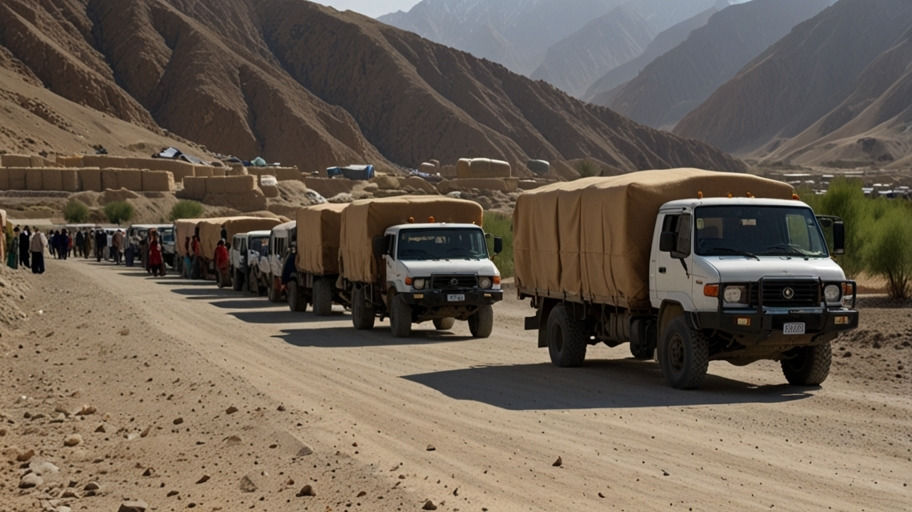
The Afghan refugee crisis did not begin in 2021; it has deep roots in the country's history of conflict and political instability. Over the past four decades, millions of Afghans have been displaced, both internally and across borders, due to ongoing wars, occupation, and insurgency.
Afghanistan's refugee population surged during the Soviet-Afghan War (1979–1989), when millions fled to neighboring Pakistan and Iran. These two countries have borne the brunt of hosting Afghan refugees, with Pakistan hosting an estimated 1.4 million registered Afghan refugees and Iran around 780,000, in addition to millions of undocumented Afghans who have settled there.
After the fall of the Taliban in 2001, some refugees returned to Afghanistan, believing in the promise of peace and reconstruction. However, as violence resurged and governance faltered, the flow of refugees out of the country continued. The return of the Taliban in 2021 exacerbated the refugee crisis, forcing another wave of displacement. This new exodus posed significant challenges not only for neighboring countries but also for the broader international community.
The Role of International Organizations and Governments
In response to the escalating crisis, international organizations and governments scrambled to coordinate evacuation and resettlement efforts. The United Nations High Commissioner for Refugees (UNHCR) played a key role in advocating for the protection of Afghan refugees and urging countries to keep their borders open. At the same time, many governments faced domestic pressures over how many refugees they could accommodate, especially in the context of already polarized debates on immigration.

The United States' Response
The US response to the Afghan refugee crisis was a major focal point of international and domestic attention. Having led the military intervention in Afghanistan for two decades, the US bore a particular responsibility for the fates of those Afghans who had worked with American forces or supported its mission. Special Immigrant Visas (SIVs) were designated for Afghans who had assisted the US government, such as translators and contractors, but the application process was long and bureaucratically cumbersome.
As the situation in Afghanistan deteriorated, the Biden administration faced criticism for its handling of the evacuation process. Despite the successful airlift of over 120,000 people out of Kabul, including thousands of Afghans, many were left behind. This sparked debates about America's moral responsibility and how many Afghan refugees the US should admit.
Ultimately, the US announced plans to admit tens of thousands of Afghan refugees through various programs, including the SIV program, humanitarian parole, and refugee resettlement. By the end of 2021, the US had resettled over 50,000 Afghan evacuees at military bases across the country , where they were processed and vetted before being sent to resettlement locations. However, challenges remained in terms of housing, employment, and integration for these new arrivals.
European Union and European Countries
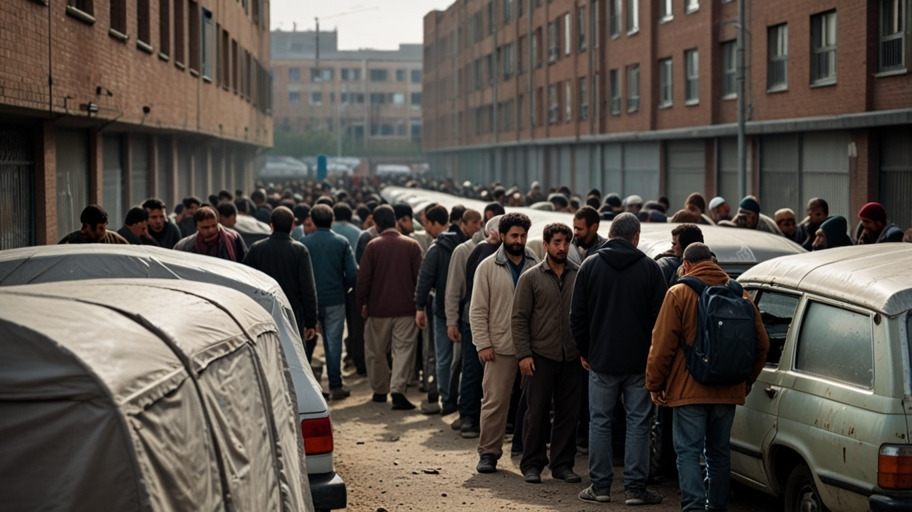
In Europe, the response to the Afghan refugee crisis was mixed. European Union (EU) member states faced the challenge of balancing humanitarian obligations with concerns about migration, security, and public opinion.
Countries like Germany and France made significant commitments to resettle Afghan refugees, with Germany pledging to take in tens of thousands. However, other countries, particularly those in Central and Eastern Europe, were more hesitant, citing concerns about immigration, border security, and the impact on social cohesion.
The EU itself sought to coordinate a unified response, but the bloc remained divided over the issue of refugee quotas and how to distribute Afghan arrivals. This mirrored similar divisions seen during the Syrian refugee crisis of 2015, when member states disagreed over the allocation of asylum seekers.
One key concern for European countries was preventing a repeat of 2015, when large numbers of refugees and migrants arrived in Europe, leading to political backlash and the rise of anti-immigrant sentiment. As a result, many EU governments focused on providing aid to countries neighboring Afghanistan, such as Pakistan and Iran, in the hope of stemming the flow of refugees.
Neighboring Countries: Pakistan, Iran, and Central Asia
Afghanistan's neighbors, particularly Pakistan and Iran, have historically been the largest hosts of Afghan refugees. Both countries have expressed frustration with the international community, arguing that they have borne a disproportionate share of the burden while wealthier nations have not done enough to support refugee resettlement .
Pakistan, which shares a long and porous border with Afghanistan, was once again on the frontline of the refugee crisis. With over a million registered Afghan refugees already within its borders, the country faced increased pressure as new arrivals fled the Taliban's takeover. Pakistani authorities concerns expressed about the economic and security implications of a new influx, while also calling on the international community for more financial assistance.
Iran, too, was a critical destination for fleeing Afghans. The Iranian government, which has hosted Afghan refugees for decades, announced that it would establish temporary refugee camps along its border, though it also took steps to prevent a large-scale influx.
Central Asian countries, including Uzbekistan, Tajikistan, and Turkmenistan, also found themselves drawn into the crisis, though they had fewer resources and less experience in refugee managing populations. These nations played a role in facilitating the transit of Afghans seeking to leave, with Uzbekistan , in particular, serving as a critical hub for evacuation flights. However, these countries remained wary of long-term refugee resettlement.
Humanitarian Concerns and the Protection of Vulnerable Groups
The Afghan refugee crisis raised serious humanitarian concerns, particularly regarding the protection of vulnerable groups. Women, children, and ethnic minorities faced unique threats under Taliban rule, with many fearing for their lives due to the regime's history of human rights abuses.
For Afghan women and girls, the Taliban's return to power signaled a potential rollback of the hard-won rights they had gained over the previous two decades. Reports of girls being banned from schools, women being forced to leave their jobs, and gender-segregated spaces being enforced added to the fear of gender-based persecution. Women who had been involved in politics, activism, journalism, or other public roles were particularly at risk, with many targeted for retribution.
Ethnic minorities, such as the Hazara community, also faced burden risks. The Hazara, a predominantly Shia Muslim group, had long been persecuted by the Taliban, and their vulnerability increased after the group's resurgence. Human rights organizations warned of potential atrocities against Hazaras, as well as other minorities such as Sikhs and Hindus.
International organizations, including the UN and various NGOs, called for urgent action to protect these vulnerable groups. However, the reality on the ground made it difficult to ensure their safety, with many trapped inside Afghanistan and facing insurmountable barriers to fleeing the country.
The Challenges of Resettlement and Integration
Even for those Afghans who managed to escape, the challenges did not end upon reaching a safe country. The process of resettlement and integration presented significant hurdles, both for the refugees and the host nations.
Many Afghan refugees found themselves in temporary accommodations, such as military bases or transit centers, waiting for processing and resettlement to more permanent homes. The uncertainty of their legal status, combined with language barriers, trauma, and the loss of ones, compounded their difficulties in starting new lives.
For host countries, the arrival of large numbers of refugees strained resources and infrastructure. Housing shortages, healthcare access, and employment opportunities were immediate concerns, as governments and NGOs worked to support refugees in rebuilding their lives.
At the same time, political debates over immigration and national security influenced public opinion in many countries. While there was broad international sympathy for Afghan refugees, concerns about terrorism, cultural integration, and economic impacts made refugee resettlement a contentious issue in some nations.
Conclusion
The evacuation of Afghans in the wake of the Taliban's return to power has laid bare the complex and multifaceted nature of the global refugee crisis. It has highlighted the challenges faced by both refugees and the international community in responding to mass displacement, from coordinating evacuation efforts to providing long-term support for those fleeing violence and persecution.
As the world grapples with the ongoing crisis, it is clear that Afghan refugees will need sustained and solidarity. Addressing this crisis requires not only immediate humanitarian assistance aid but also comprehensive policies that ensure the protection, resettlement, and integration of Afghan refugees into host societies . The fate of these refugees is a test of the international community's commitment to human rights and global cooperation.