Afghanistan's Navigating Care System: Navigating the Challenges Post-2021
Introduction
Afghanistan's health care system has been in a state of flux for decades, shaped by decades of war, political instability, and limited resources. The fall of the Afghan government in August 2021, and the subsequent takeover by the Taliban, marked yet another major turning point in the country's history. This shift in governance has had profound implications for all sectors of Afghan society, including the already fragile health care system. In the post-2021 era, the challenges facing Afghanistan's health care system have become more acute, with rising health crises, dwindling international aid, and a volatile political environment creating a perfect storm of difficulty.
This article explores Afghanistan's health care system in the wake of the Taliban takeover, examining the existing infrastructure, the major challenges the country faces, and the strategies that might help improve health outcomes in the future. The issues of governance, international support, infrastructure, human resources, and public health crises will all be discussed in detail.
Pre-2021 Overview of Afghanistan's Health Care System
Before delving into the current health care situation, it is important to understand the context of Afghanistan's health care system prior to 2021. While the country faced considerable difficulties, especially in rural and remote areas, Afghanistan had made notable strides in improving access to basic health services since the early 2000s.
With substantial international assistance, particularly from organizations like the World Bank, USAID, and WHO, the Afghan government was able to expand its Basic Package of Health Services (BPHS) and the Essential Package of Hospital Services (EPHS), aimed at providing primary health care services to its population. These programs focused on maternal and child health, vaccinations, nutrition, and control of communicable diseases such as tuberculosis and malaria. According to WHO reports, the country saw an increase in life expectancy and reductions in child and maternal mortality rates during the early 2000s.
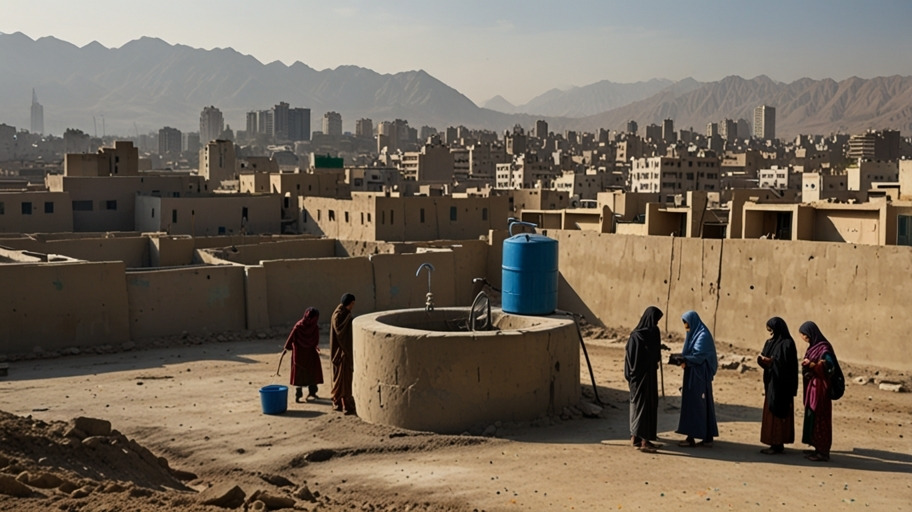
However, even before the Taliban's return to power, the system was riddled with challenges. Access to health care was uneven, with rural areas remaining underserved due to difficult terrain, ongoing conflict, and cultural barriers. Afghanistan also suffered from a severe shortage of health care workers, poor infrastructure, and insufficient funding for health care services.
The Impact of the Taliban Takeover in 2021
The abrupt change in political leadership in August 2021 caused immediate disruptions across Afghanistan, and health care was no exception. The withdrawal of the US and NATO forces, combined with the freezing of international funds and a sudden halt in foreign aid, created a financial and Logistical vacuum that has hampered health service delivery throughout the country.
Several significant challenges emerged as a result of the Taliban's return to power:
- Loss of International Funding and Support: Afghanistan's health care system had relied heavily on international aid. According to estimates, up to 75% of the country's public spending, including health care, was funded by international donors. Following the Taliban's takeover, much of this aid was frozen or halted, leaving the health sector in financial ruin. Without these funds, Afghanistan's Ministry of Public Health (MoPH) struggled to pay salaries, maintain facilities, and purchase medical supplies.
-
Brain Drain and Loss of Skilled Health Workers: Many of the country's most skilled health care workers—doctors, nurses, and medical administrators—fled the country in the wake of the Taliban takeover. Those who remained have had to work under challenging conditions, with little to no pay, insufficient resources, and the constant threat of violence and intimidation. The exodus of health professionals has exacerbated an already dire shortage of skilled workers, which has left the health care system struggling to cope with demand.
- Governance and Bureaucratic Challenges: The Taliban's new government has faced difficulties in public services, including health care. The regime's limited administrative capacity, lack of experience in running a modern health care system, and rigid ideological stance have created significant obstacles. Health care providers and international organizations have expressed concerns about the Taliban's restrictions on women's rights, including female health care workers' ability to operate freely and women's access to medical services.
- Infrastructure Deterioration: Years of conflict, coupled with a lack of maintenance, have severely damaged Afghanistan's health care infrastructure. Hospitals and clinics are often in poor condition, with outdated equipment, unreliable electricity, and limited access to clean water. In many cases, facilities have been destroyed or abandoned due to ongoing violence, further limiting access to care for millions of Afghans.

Key Challenges Facing the Health Care System Post-2021
As Afghanistan navigates the aftermath of the 2021 political transition, the country's health care system faces numerous challenges that require immediate and sustained attention. Some of the most pressing challenges are outlined below.
-
Maternal and Child Health: Maternal and child health in Afghanistan remains a critical issue, especially in rural areas where access to care is limited. The maternal mortality rate, which had improved in previous years, is at risk of increasing again due to the lack of skilled birth attendants and emergency obstetric services. Many pregnant women face life-threatening complications due to poor access to antenatal care, malnutrition, and the absence of basic medical supplies. Meanwhile, the child mortality rate remains alarmingly high, with diseases like diarrhea, pneumonia , and malnutrition continuing to claim the lives of young children.
- Communicable Diseases: Afghanistan has long been a hotbed for communicable diseases, including tuberculosis, malaria, and polio. Prior to 2021, the country had made progress in controlling polio through vaccination campaigns. However, these gains are now at risk, with disruptions to immunization programs and limited access to vaccines due to the Taliban's restrictions and a deteriorating health infrastructure. The resurgence of communicable diseases could pose a significant threat to public health, particularly in areas with poor sanitation and overcrowded living conditions.
- Mental Health: The prolonged conflict and instability in Afghanistan have taken a severe toll on the mental health of its population. Decades of war, displacement, and poverty have left many Afghans suffering from trauma, depression, anxiety, and other mental health disorders. , mental health services are virtually nonexistent in much of the country, with few trained professionals and limited public awareness about mental health issues. The stigma surrounding mental illness further compounds the problem, leading to widespread untreated mental health conditions.
-
Food Insecurity and Malnutrition: Afghanistan is facing a growing hunger crisis, exacerbated by drought, conflict, and economic collapse. According to the World Food Programme, millions of Afghans are at risk of acute food insecurity, with children and pregnant women being particularly vulnerable. Malnutrition is a major concern, as it weakens the immune system and makes individuals more susceptible to disease. The combination of food shortages and a weakened health care system creates a vicious cycle that is difficult to break.
- Gender-Based Barriers to Health Care: One of the most contentious issues in Afghanistan's health care system post-2021 is the treatment of women and girls. The Taliban's restrictive policies on women's rights have raised concerns about their access to medical services. In many areas , women are required to be accompanied by a male guardian to seek care, and female health workers face increasing limitations on their ability to practice. This has led to a decrease in women's access to essential services, such as maternal care, family planning, and reproductive health services. The Taliban's stance on gender roles also makes it difficult for international organizations to engage in meaningful health interventions for women.
The Role of International Organizations and Aid
Despite the immense challenges, international organizations and NGOs have continued to play a critical role in supporting Afghanistan's health care system post-2021. However, their work has been severely hampered by the withdrawal of international funding and the complex political situation.
-
World Health Organization (WHO): The WHO has remained active in Afghanistan, focusing on emergency health interventions, vaccination campaigns, and addressing the needs of vulnerable populations. The organization has continued to work with the Ministry of Public Health, despite the change in government , to ensure that basic health services can still be delivered to those in need. The WHO has also been instrumental in coordinating efforts to prevent outbreaks of communicable diseases like COVID-19 and polio.
- United Nations Children's Fund (UNICEF): UNICEF has prioritized maternal and child health in Afghanistan, continuing its efforts to provide vaccinations, nutrition support, and education on hygiene and sanitation. The organization has also worked to ensure that children in conflict zones receive psychological support and basic health care services. However, UNICEF's ability to operate has been hindered by the lack of funding and logistical challenges on the ground.
- International NGOs: Many international NGOs, including Médecins Sans Frontières (MSF) and the International Red Cross, have maintained a presence in Afghanistan to provide emergency medical services, including trauma care, surgery, and maternal health. These organizations have been essential in filling the gaps left by the withdrawal of international donors, particularly in areas where government health services are no longer functioning. However, their efforts are constrained by security risks, funding shortages, and difficulties in accessing remote areas.
Prospects for the Future
Afghanistan's health care system is at a crossroads. The current situation is dire, but there are some glimmers of hope for the future if certain actions are taken. To address the challenges and prevent further deterioration of health outcomes, the following steps could be considered:
- Restoration of International Aid: The restoration of international aid, including the unfreezing of funds, is critical to stabilizing Afghanistan's health care system. The international community should explore ways to provide direct funding for health care services without legitimizing the Taliban government. This could involve working through NGOs, multilateral organizations, or local community structures to ensure that aid reaches those most in need.
- Strengthening Community-Based Health Care: Given the difficulty in reaching remote areas, a stronger focus on community-based health care is essential. Training community health workers, particularly women, and providing mobile clinics could help bridge the gap in areas with limited access to formal health facilities.
- Addressing Mental Health Needs: The trauma and stress experienced by Afghans over the years have created a pressing need for mental health services. The international community should prioritize mental health programs, including training health care workers in psychological first aid and expanding access to counseling services.
- Engaging Local Leaders: Local religious and tribal leaders play a crucial role in shaping community attitudes and practices, particularly when it comes to health care. Engaging these leaders in health initiatives can help improve public trust in health services, particularly in areas where the Taliban's influence is the strongest.
Conclusion
Afghanistan's health care system is grappling with a complex web of challenges in the post-2021 era. The loss of international aid, the exodus of skilled professionals, and ongoing political and security issues have left the health system in a state of near collapse. However , there are still opportunities for international organizations, local actors, and the Afghan government to collaborate in rebuilding the system. With targeted interventions, restored funding, and a focus on community-based care, there is hope that Afghanistan's health care system can navigate the challenges it faces and improve health outcomes for its population in the years to come.