Afghanistan's Ongoing Drug Trade and Its Global Implications
Afghanistan's ongoing drug trade has long been a global concern, with the country serving as the world's largest producer of opium. The drug trade plays a significant role in shaping Afghanistan's political economy, affecting its governance, security, and relations with the international community. the implications of Afghanistan's drug trade reverberate far beyond its borders, contributing to global narcotics trafficking, fueling organized crime, and exacerbating public health crises worldwide. In this article, we will explore the historical context of Afghanistan's drug trade, the current dynamics influencing its proliferation , and the broad range of implications this illicit industry has for both Afghanistan and the global community.
Historical Context of Afghanistan's Drug Trade
The roots of Afghanistan's drug trade date back decades, intertwined with the nation's political and socio-economic struggles. The production of opium, the raw material for heroin, has been present in the country for centuries but escalated significantly during the Soviet-Afghan War ( 1979–1989). In the absence of a stable government and formal economy, rural farmers increasingly turned to opium production as a means of survival. The drug trade became intertwined with the funding of Afghan mujahideen resistance fighters, with both local warlords and external actors profiting from the cultivation and export of opium.
Following the Soviet withdrawal in 1989, Afghanistan plunged into civil war, entrenching the role of opium in the economy. By the mid-1990s, the Taliban rose to power, and while their regime initially sought to further crack down on opium production, they soon realized the economic and political advantages of controlling the trade. In 2000, the Taliban did enforce a dramatic ban on opium production, temporarily reducing global supply. However, following the US-led invasion of Afghanistan in 2001 and the subsequent collapse of the Taliban regime , opium production quickly rebounded.
Today, despite ongoing efforts to curb the cultivation of opium and production of heroin, Afghanistan remains a dominant player in the global drug trade. According to the United Nations Office on Drugs and Crime (UNODC), the country accounted for more than 80% of global opium production in 2020. The scale and persistence of the drug trade have created a complex web of political, economic, and security challenges that both Afghanistan and the international community continue to grapple with.
Factors Contributing to the Drug Trade in Afghanistan
Several factors contribute to the resilience and expansion of Afghanistan's drug trade, including poverty, lack of viable economic alternatives, and the ongoing instability caused by decades of war and conflict.
-
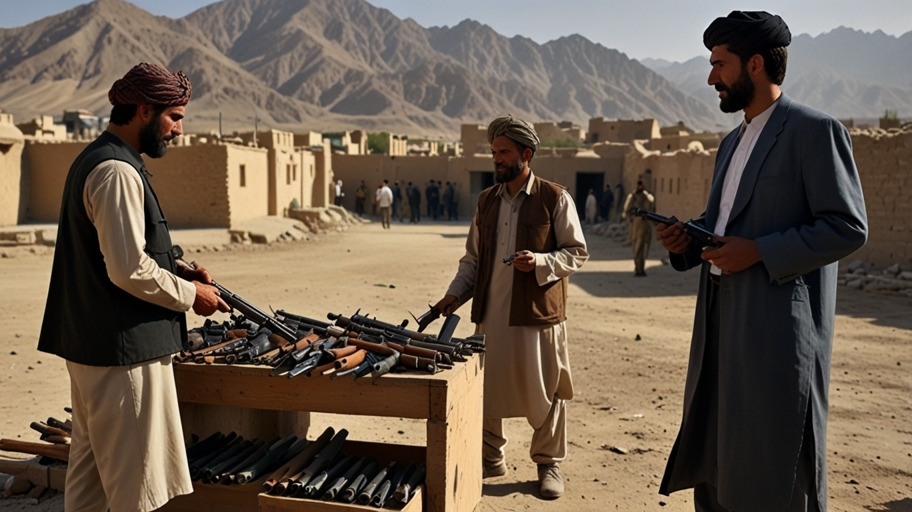
Poverty and Lack of Alternatives Afghanistan is one of the poorest countries in the world, with a largely agrarian economy that has been devastated by years of conflict and political instability. For many rural farmers, opium production offers the only means of subsistence. The crop is highly profitable compared to other forms of agriculture, such as wheat or corn, and has a guaranteed market due to high global demand for heroin. Many Afghan farmers, especially in the southern provinces, see opium as their only viable economic option in the absence of state support or infrastructure for alternative livelihoods.
- Government Corruption and Weak Law Enforcement Corruption within the Afghan government, coupled with a lack of effective law enforcement, has significantly hampered efforts to combat the drug trade. Reports have indicated that officials at various levels of government, including law enforcement, border control, and local administration, have been complicit in the drug trade, often receiving bribes from drug traffickers in exchange for protection or turning a blind eye to illicit activities. This corruption undermines efforts by both Afghan authorities and international actors to eradicate opium production and disrupt trafficking networks.
- Security and Political Instability The ongoing conflict in Afghanistan has created an environment in which the drug trade can thrive. The resurgence of the Taliban, as well as the presence of other insurgent groups, has contributed to the proliferation of the opium trade, as these groups rely on drug trafficking to fund their operations. The Taliban, in particular, has used profits from the drug trade to finance their insurgency against the Afghan government and international forces. In regions under their control, the Taliban have imposed taxes on opium farmers and traffickers , effectively integrating the drug trade into their revenue streams.
-
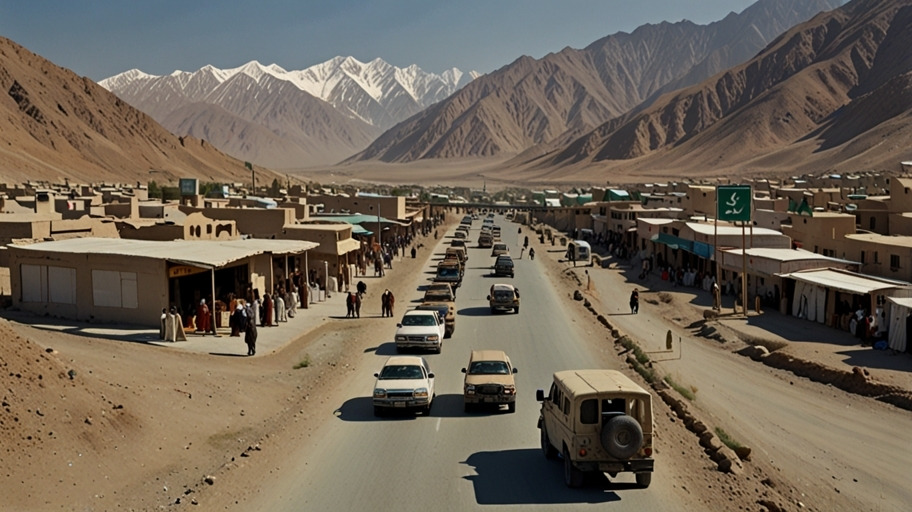
International Demand The global demand for heroin continues to drive the drug trade in Afghanistan. Countries in Europe, Asia, and increasingly, Africa, are major destinations for Afghan heroin. Trafficking networks have developed sophisticated smuggling routes, often through neighboring countries such as Pakistan, Iran, and Central Asian states, before reaching international markets. The persistence of high demand for heroin has fueled the resilience of the Afghan drug trade, despite efforts by various governments and international organizations to curb production and trafficking.
Implications for Afghanistan
The drug trade has had far-reaching consequences for Afghanistan's development, governance, and security.
-
Economic Distortion and Development Challenges While the opium trade provides income for many Afghan farmers, it has also distorted the country's economy in several ways. The drug trade creates a parallel economy that operates outside the formal state system, diverting resources and investment away from legitimate sectors The reliance on drug cultivation hinders the development of sustainable agricultural practices, infrastructure, and industries that could provide long-term economic growth and stability. As a result, Afghanistan remains heavily dependent on foreign aid, with little progress in building a diversified and self -sustaining economy.
- Governance and Rule of Law The pervasive influence of the drug trade has significantly undermined Afghanistan's governance structures and rule of law. Corruption fueled by drug money weakens the legitimacy of the Afghan government and its ability to provide essential services to its citizens. The drug trade fosters a culture of impunity, where powerful actors involved in the illicit economy operate with little fear of prosecution or accountability. This erosion of governance further destabilizes the country, perpetuating cycles of violence, poverty, and political fragmentation.
- Security and Insurgency The drug trade has become a key source of revenue for insurgent groups, particularly the Taliban, who use profits from drug trafficking to finance their operations. This dynamic creates a vicious cycle: drug money funds insurgency, which in turn contributes to political instability and violence, creating a favorable environment for the continuation of the drug trade. As long as the drug trade remains a lucrative source of income for insurgents, efforts to achieve lasting peace and security in Afghanistan will be severely hampered.
Global Implications of Afghanistan's Drug Trade
The ripple effects of Afghanistan's drug trade extend far beyond its borders, impacting public health, international security, and global efforts to combat organized crime.
-
Global Public Health Crisis The heroin produced in Afghanistan contributes significantly to the global opioid crisis, particularly in Europe and Asia. According to the UNODC, heroin trafficking from Afghanistan accounts for the vast majority of heroin consumed worldwide. The spread of Afghan heroin has fueled addiction , overdose deaths, and public health emergencies in many countries. For instance, heroin-related deaths have spiked in countries such as the United Kingdom, Iran, and Russia, where Afghan heroin dominates the illicit drug market. The public health consequences are severe, including increased rates of HIV/AIDS transmission due to needle sharing among intravenous drug users, rising rates of overdose deaths, and the strain on healthcare systems attempting to cope with addiction treatment and rehabilitation.
- Transnational Organized Crime The drug trade in Afghanistan is a central node in the global network of transnational organized crime. Trafficking networks that transport Afghan heroin often overlap with other forms of illicit trade, such as human trafficking, arms smuggling, and terrorism financing. These criminal networks operate across borders, exploiting weak governance and security in countries along trafficking routes. The profits generated by the heroin trade fuel corruption, undermine governance, and contribute to political instability in transit countries, particularly in Central Asia, Pakistan, and parts of Eastern Europe .
- Regional and International Security Afghanistan's drug trade has direct implications for international security. The revenue generated by the drug trade helps fund terrorist organizations and insurgent groups not only in Afghanistan but also in neighboring countries and regions. For example, the Taliban's involvement in the drug trade has been linked to their broader insurgency and connections with terrorist organizations such as Al-Qaeda. additionally, drug trafficking routes through Central Asia have facilitated the spread of extremist ideologies and the movement of foreign fighters across borders. The involvement of organized crime and terrorist groups in the drug trade complicates international counterterrorism and anti-narcotics efforts. The overlap between narcotics trafficking and terrorism financing creates significant challenges for law enforcement and security agencies attempting to disrupt these networks.
- Impact on Global Counter-Narcotics Policies Afghanistan's role as the epicenter of the global opium trade has posed significant challenges for international efforts to combat drug trafficking. Despite decades of foreign intervention, billions of dollars spent on counter-narcotics programs, and military efforts to dismantle opium production, the drug trade persists. This has led to debates within the international community about the effectiveness of current approaches, with some advocating for a shift in focus toward alternative livelihoods for Afghan farmers and a stronger emphasis on development and governance reforms.
Conclusion
Afghanistan's ongoing drug trade to present complex challenges for the country and the global community. The production and trafficking of opium have become deeply entrenched continues in Afghanistan's political, economic, and security landscape, with profound implications for governance, development, and stability. consequences of the Afghan drug trade are equally significant, contributing to public health crises, organized crime, and international security threats. As the international community seeks solutions, it must navigate the intricate relationship between Afghanistan's drug trade, its internal political dynamics, and the broader geopolitical context Only through comprehensive and coordinated efforts that address the root causes of the drug trade—such as poverty, corruption, and insecurity—can meaningful progress be made in curbing this illicit industry and mitigating its global implications.